Local News
Rowan Farmers Market Season: What's Actually in Stock, Month by Month
There's a moment every spring when the market stops being a pleasant stroll and starts being groceries. It usually lands in mid-May, when the first strawberries appear next to the last decent asparagus, and it runs through the Saturday before Thanksgiving, when the squash pile is taller than the egg cooler. Knowing what's actually in season saves you a wasted trip — and keeps you from paying winter prices for a tomato that tastes like nothing.
May and June: Greens, Berries, and the Year's Best Salad
Early season is leafy and green. Expect spinach, leaf lettuce, radishes, spring onions, sugar snap peas, herbs, rhubarb, and eggs from the vendors who keep hens year-round. Asparagus thins out fast, so if you see thick spears in the first week of May, buy them.
Strawberries are the headline. Their window is short — often three to four weeks — and it moves depending on rain and heat. When they're gone, they're gone, which is why the jam vendors start appearing right around then.
By June the tables fill in: zucchini, cucumbers, summer squash, broccoli, cabbage, new potatoes, garlic scapes, and the first blueberries near the end of the month. This is also your last good chance for tomato and pepper starts. If you garden, buy transplants early rather than hunting for them in July, when most growers have sold through.
Ask any vendor what they'll have next week. They know their fields better than any calendar, and it's the single most useful question you can ask at a market.
July and August: Peak Season, Peak Crowds
This is the stretch that makes the whole year worth it. Tomatoes, sweet corn, green beans, peppers, eggplant, cucumbers, okra, melons, peaches, blackberries, and blueberries all overlap. You can build an entire week of meals from one lap around the lot.
A few habits help:
- Arrive in the first hour. Selection is best, parking is easier, and the corn hasn't been sitting in the sun.
- Bring a cooler with a bag of ice in the trunk. Melons and berries don't survive a hot car.
- Carry small bills. It speeds up every line, including yours.
- Shop the midweek market if there is one. Same vegetables, half the crowd.
- Skip peeling corn at the table unless the grower offers. Tight husks and moist silk tell you what you need to know.
Buy in quantity when something is cheap and abundant. Berries freeze beautifully on a sheet pan before going into bags, and a box of paste tomatoes turns into sauce in an afternoon.
September: The Month Regulars Wait For
September gets overlooked because the tomatoes are still coming, but it's when the variety peaks. Apples and pears arrive. Sweet potatoes and winter squash show up. Muscadines appear for a few weeks and then vanish. Okra and peppers keep producing, and the first tender greens come back.
It's also the most comfortable month to shop. Cooler mornings, thinner crowds, and growers who finally have time to talk. If you've been meaning to introduce yourself to a vendor, do it now.
October and November: Roots, Greens, and Last Call
The market turns sturdy. Collards, kale, turnips, radishes, storage apples, pumpkins, butternut and acorn squash, sweet potatoes, pecans, honey, eggs, and pasture-raised meats dominate. Greenhouse lettuce and spinach fill the gaps.
Two things worth knowing. First, greens get sweeter after a light frost, so the collards you buy in November often beat the ones from September. Second, markets shrink in the fall. Some vendors switch to every-other-week schedules, and the season usually ends the Saturday before Thanksgiving. Don't assume your favorite stand will be there on the final weekend — buy your Thanksgiving squash a week early.
Where the Markets Set Up — and What to Confirm Before You Go
Market schedules are run by people, not algorithms, and they change. A downtown Saturday morning market is the common pattern across the county, with a weekday afternoon market or two and a handful of seasonal evening markets tied to events. Farm stands and on-farm pickup fill in the rest of the week.
Before you drive anywhere, verify these six things:
- Opening and closing times. Some markets start at 8, some at 9, and most wind down by noon or 1 p.m.
- Season dates. Opening weekend and closing weekend shift year to year.
- Location. Markets move for festivals, construction, and weather. A fairgrounds or lot address can change mid-season.
- Vendor attendance. Not every grower comes every week, especially in May and October.
- Rain policy. Most markets run rain or shine; a few cancel outright.
- Pet rules. Some allow leashed dogs, some don't, and food-safety rules vary by site.
Five minutes on the market's own page or social feed on a Friday evening is worth more than any printed schedule.
Paying at the Table: Cash, Cards, and Token Programs
Cash is still the fastest and most widely accepted option, and small bills are appreciated. That said, plenty of vendors now run cards through a phone or tablet reader, especially the larger produce and meat operations. Smaller stands — the person with six dozen eggs and a folding table — may be cash-only.
On top of that, most county markets operate a central payment or token system so shoppers using food assistance can buy from any participating vendor. The usual flow looks like this:
- Go to the market's information table or booth first, not the individual stand.
- Swipe your EBT card and receive tokens or vouchers in return.
- Spend the tokens with vendors who display the accepted-payment sign.
- Ask whether the market runs a matching program that adds extra dollars for fruits and vegetables.
- Ask about WIC and senior nutrition vouchers if you qualify — participating vendors vary by week.
Rules and program details change, and eligibility questions belong with the market manager or your caseworker, not the person bagging your tomatoes. A quick question at the info table clears up almost everything.
A Market Morning That Works
Bring a cooler, two sturdy bags, and a short list you're willing to abandon. Walk the whole market once before buying — the best peaches are rarely at the first table you reach. Buy the fragile things last so they don't get crushed under squash.
Then do the thing that pays off all season: become a regular somewhere. Learn one grower's name. Ask what they're picking this week and what's coming next. Over a season or two, that relationship gets you better advice, first word on short crops, and occasionally a bag of seconds set aside because someone knew you'd want them for jam. That's the part of the market you can't get anywhere else.
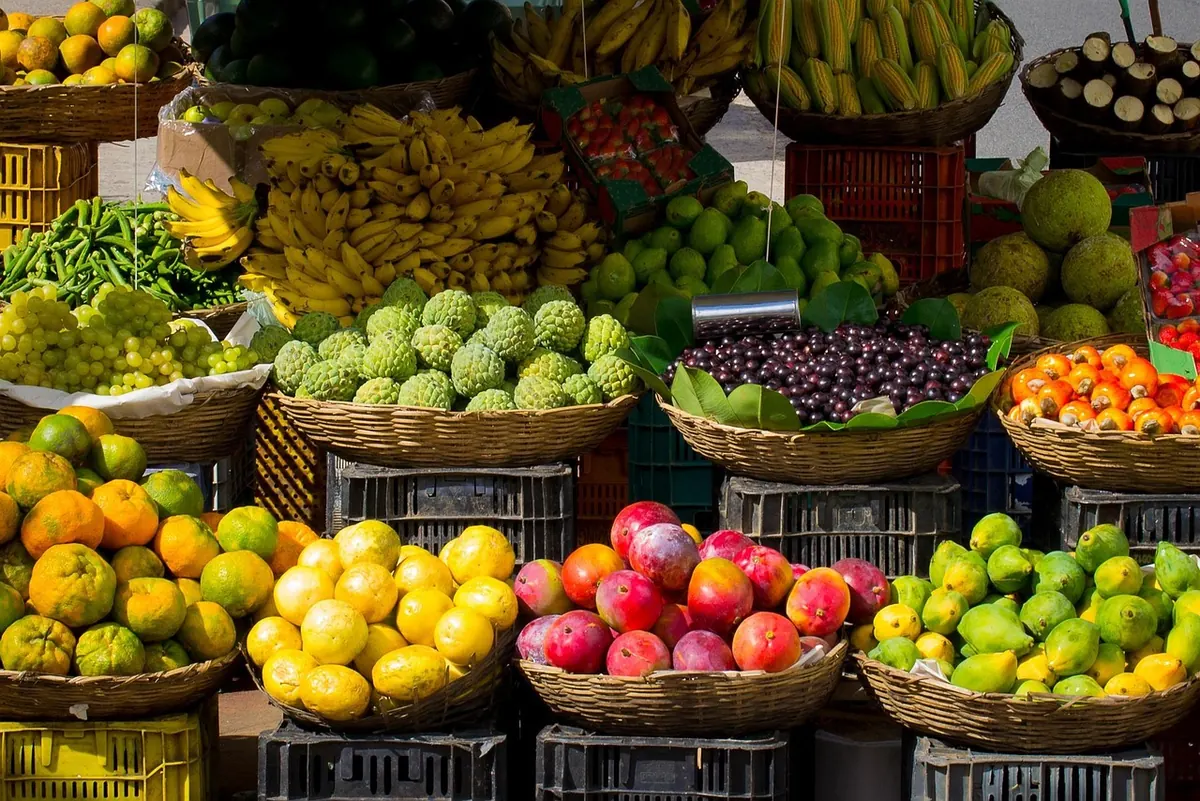
Photo: tookapic / Pixabay
Related Articles