Local News
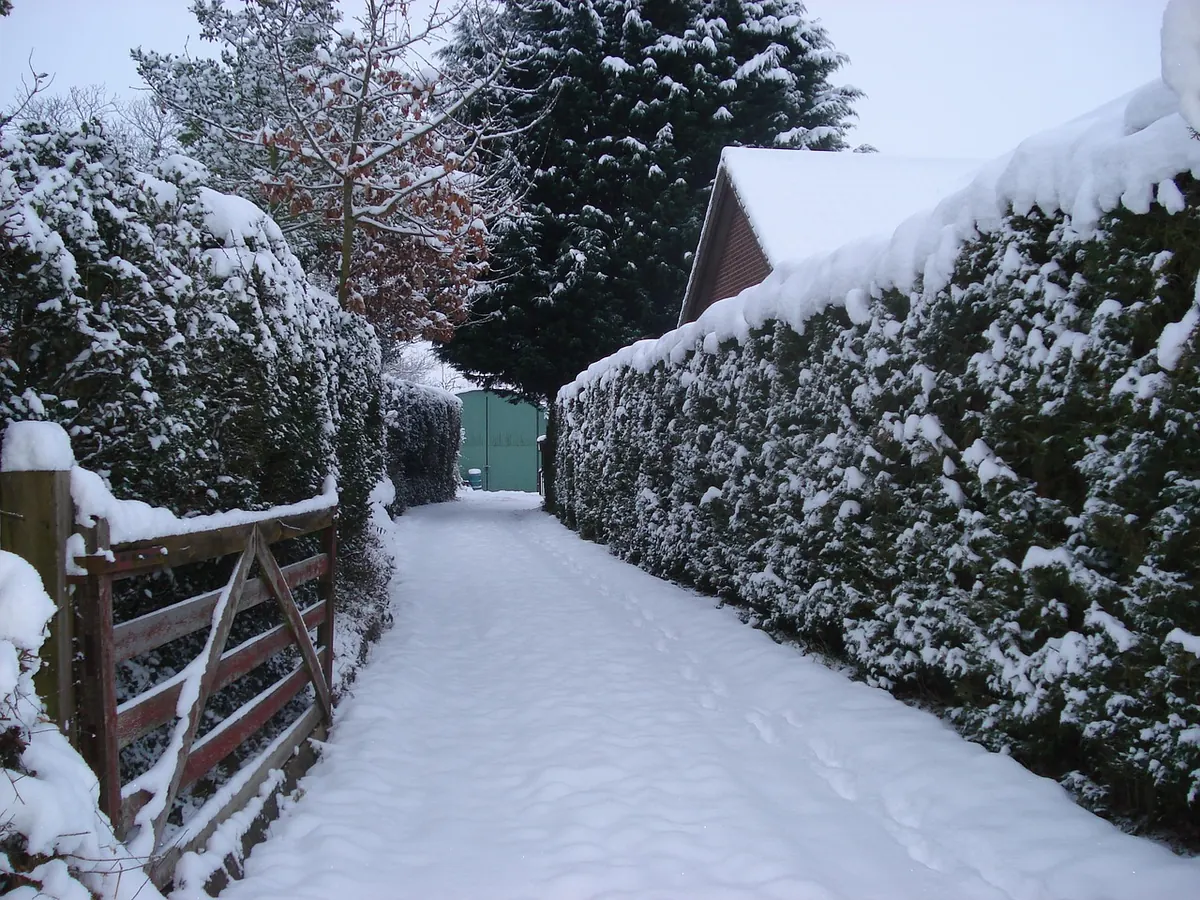
Winter Storm Prep Checklist for Rowan County: 14 Things to Do Before the First Freeze
The first hard freeze in Rowan County rarely announces itself. A mild afternoon slides into a night in the twenties, and by morning a crawlspace line has split, the truck won't turn over, and the bag of road salt is still somewhere behind the lawn chairs. Most winter damage isn't caused by the storm. It's caused by the twelve hours before it — or the three weeks of ignoring the forecast that came first.
What follows is a checklist you can work through on a warm Saturday, roughly in the order problems tend to appear once the temperature drops.
Pipes: The Lesson Nobody Wants to Learn Twice
Start outside. Disconnect every garden hose so water can drain out of the spigot instead of freezing inside it. If your home has interior shutoff valves for the outdoor faucets, close them and then open the outside spigot to drain what's left in the line.
Inside, walk the crawlspace with a flashlight. Look for the pipes most likely to freeze: anything running along an exterior wall, anything in an unheated attic, garage, or uninsulated basement corner. Foam sleeves are cheap and easy to install. Plug-in heat tape works well on the stubborn runs, but read the instructions and don't overlap it.
Seal the obvious gaps, too — where pipes pass through the foundation, around dryer vents, and anywhere cold air whistles in. If your home has foundation vents, closing them for the season is common practice, but if your crawlspace already runs damp, talk to a qualified contractor before sealing it up entirely.
Find your main water shutoff valve now, not at 2 a.m. with water running down the hallway. Tag it. Show every adult in the house, and any teenager who's old enough to stay home alone. That single step prevents more damage than any insulation you can buy.
On the coldest nights
- Open cabinet doors under sinks that sit against exterior walls so warm air reaches the pipes.
- Let a pencil-thin trickle run from the faucet farthest from where the water enters the house.
- If you're traveling, keep the thermostat at 55 degrees or higher — or shut the water off and drain the system.
If a pipe freezes, warm it slowly with a hair dryer or a space heater kept at a safe distance. Never use an open flame, and never put a torch inside a wall. If a pipe bursts, shut off the main valve first, then call a plumber.
Generators, Heaters, and Power You Can Trust
A generator will keep a fridge, a few lamps, and a phone charger running — and it will kill you if it's in the wrong place. Run it outdoors, well away from windows, doors, and vents. Never in the garage, not even with the door up. Carbon monoxide is colorless, odorless, and it doesn't care that you're only running it for a few minutes.
Test-run the generator before the season starts. Check the oil, keep stabilized fuel in approved containers, and confirm which cords you'll use. Plug appliances directly into the generator or use a properly installed transfer switch. Backfeeding through a household outlet can injure a lineman working down the street to restore your power.
Space heaters need three feet of clear space in every direction and should plug directly into a wall outlet, not an extension cord. Never bring a grill, camp stove, or propane heater indoors for heat. Put carbon monoxide detectors on every level of the house and test them the same weekend you test the smoke alarms.
Roads, Cars, and Salt
Build or restock a winter kit for each vehicle: blanket, gloves, hat, flashlight, jumper cables, ice scraper, phone charger, a bag of sand or kitty litter for traction, and a little food and water. Check tires, wipers, washer fluid rated for freezing temperatures, and the battery — cold mornings are when weak batteries finally give up.
Buy your salt and sand before the first storm, when shelves are still full. Remember that rock salt loses much of its melting power in bitter cold, so keep sand on hand for traction on steps and walkways. Store salt in a lidded plastic bin off the floor; it pulls moisture from the air and hardens into a brick, and it can damage a concrete floor over time.
Shovel during the storm or right after it, before foot traffic packs snow into ice. Keep steps, the walkway, and the area around your mailbox clear — not just for you, but for mail carriers, delivery drivers, and anyone who might need to reach your door.
Emergency Contacts and a Household Plan
Write your key numbers on paper and post them on the refrigerator. Phones die, and a dead phone shouldn't be the reason you can't reach the water department. Include your electric utility, the water and sewer office, your heating company, your insurance agent, your pharmacy, and one neighbor who'll notice if your lights are off.
Use 911 for emergencies only. For downed lines, outages, and road conditions, call the non-emergency numbers. Treat every downed wire as live. Sign up for Rowan County's emergency alert system through the county emergency management office so storm and warming-center notices come to your phone directly. Arrange an out-of-town contact everyone can check in with, since local lines sometimes jam.
Refill prescriptions early enough to cover a week or more, and ask your pharmacist which medications need refrigeration or shouldn't be interrupted. Households with power-dependent medical equipment should ask county emergency management about the special needs registry. For medical, insurance, or legal questions, talk with the appropriate professional rather than relying on a checklist.
Warming Centers: Know Before You Go
Warming centers open when outages are widespread and temperatures stay dangerous, usually at public libraries, senior centers, community centers, fire stations, or churches. Locations and hours are announced through the county alert system and the county's social media accounts, so confirm before you drive.
Bring medications, chargers, a blanket, identification, snacks, and anything a child or older adult in your household needs. Call ahead about pets, since many sites can't accept animals, and ask whether transportation is available if you don't drive.
The 14-Item Checklist
- Disconnect hoses; drain and shut off outdoor spigots.
- Insulate exposed pipes in crawlspaces, attics, and garages.
- Seal foundation vents and gaps where cold air reaches pipes.
- Locate, tag, and demonstrate the main water shutoff.
- Test-run the generator outdoors and check fuel and oil.
- Test smoke and carbon monoxide detectors; replace batteries.
- Restock each vehicle's winter kit.
- Check tires, wipers, washer fluid, and battery.
- Buy salt, sand, and a sturdy shovel early.
- Post a paper list of emergency and utility numbers.
- Sign up for county emergency alerts.
- Refill prescriptions and ask about storage needs.
- Charge battery banks, radios, and flashlights.
- Find your nearest warming center and note the details.
Put It on the Calendar
Pick one Saturday in the next few weeks, before the forecast turns serious, and work down the list with the radio on. Most of it takes an afternoon. The rest — the salt, the batteries, the phone numbers — takes twenty minutes and saves a long night.
Then knock on the door of the neighbor who lives alone, or the one whose driveway you never see shoveled. Winter in Rowan County is easier when the checklist is shared.
Photo: cliffoa / Pixabay
Related Articles